

Norway has been named one of the most beautiful countries on earth. But there’s more to this remote Northern European nation than stunning fjords and glaciers.
Blog
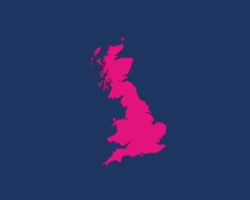
Postdoctoral Careers in Europe: United Kingdom
The UK is home to some of the world’s oldest and most prestigious universities. It is one of the most popular destinations for foreign academics, who are attracted by the diverse academic infrastructure and a leading research tradition that stretches back centuries.

Cover Letter: A Step-by-Step Guide
Writing a cover letter is a crucial part of the job application process. This gives you a chance to expand on your CV and impress the recruiter. A great cover letter can also help you to stand out from other applicants. That’s why it’s important that you keep it short and sweet, containing only the…>





How to Write a CV for Speculative Applications
Speculative job applications can help you access all kinds of hidden opportunities. They might not lead to a paid job immediately. But they can help you get your foot in the door and get access to the big decision-makers. Not all jobs are explicitly advertised. Sometimes you have to make a business notice you to…>

Top Tips for Conducting Appraisals
The purpose of conducting appraisals is to increase an employee’s performance and efficiency – when done well, they should be a positive experience for both the appraiser and the appraisee. They are also intended to increase motivation, ensure that people are kept updated with the latest developments and inform them of the skills they will…>

What Does Success Look Like For You?
People say they want to be successful, but when pushed they can often find it hard to define what this actually means for them. What success looks and feels like is going to vary from person to person and it does not have to be just about promotion, recognition or earning more and more money….>