
We invited Professor Monder Ram to discuss diversity, inclusion, and equality in HE staff. Professor Ram is the Director for the Centre for Research in Ethnic Minority Entrepreneurship and a Professor of Small Business at Aston University. He talks to us about his academic journey, his role models, and the challenges facing universities in terms…>
Blog

Balancing Academic Research and Teaching
Many Early Career Researchers (ECRs) working in higher education institutions (HEIs) might tell you that simply running the gauntlet between research and teaching did not adequately prepare them for a career in academia.

Working From Home – 5 Tips to Help You Manage
There are pros and cons to working from home and at times, it can feel like an emotional rollercoaster, so if working from home is going to be your ‘new normal’ then here are some tips to help:
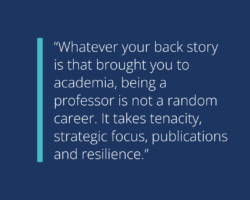
Being a Professor – A Personal Journey to Professorship
Whatever your back story that brought you to academia, being a professor is not a random career. It takes tenacity, strategic focus, publications and lots of late nights and tears. To make it there are 3 vital things you need to know.

ECRs: Sharpening your virtual networking strategies
If like most Early Career Researchers (ECRs), you have relied on traditional face-to-face conference schmoozing, and the academic’s own ‘art of the deal’ to grow your network, then 2020 was nothing short of a nightmare.



How To Improve Your Zoom Teaching Game
Zoom teaching is more like being on TV than being in a classroom. Think about the TV hosts that you love to watch. A good TV host has to watch themselves to improve their game – but they watch footage after they have shot it, not while they are talking to the camera.